
Day 1: Rice (or Love as Survival)
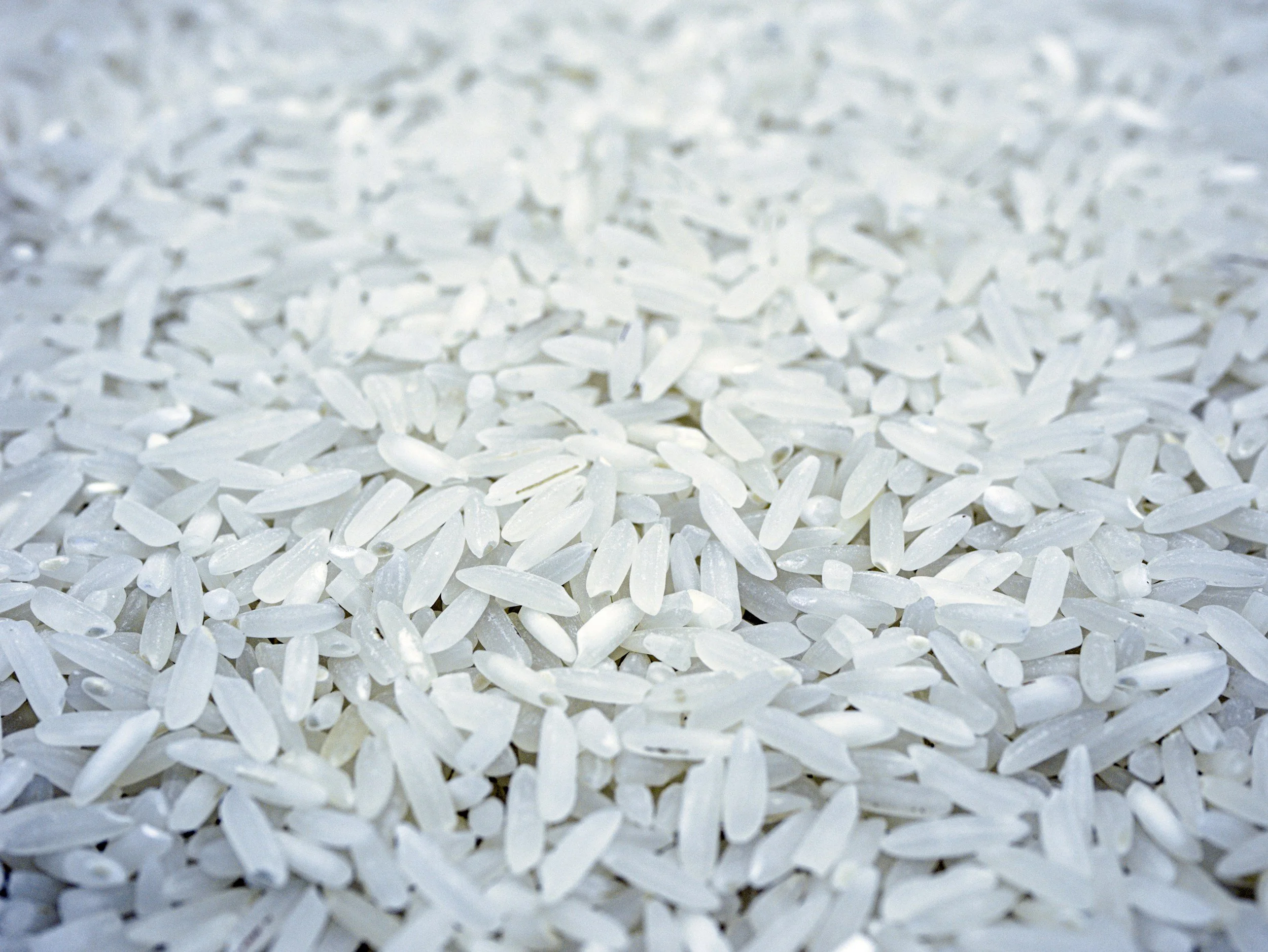
rice
Africa. Hands. Hair. Taut fingers coax thick locks into rows and swirls, even circles. Patterns that signify lineage and place, connection to specific cultures, people and histories. But the braiding was never only ornamental. It was practical. Hair as vessel. Hair as a way of holding what mattered.
Black hair has always carried meaning, in status, function, identity, protection. Even now, it remains charged with significance. It is a marker of ethnic identification, celebration, pride and power. I personally hold a nightly ritual of plaiting my own hair in to two thick cornrows before bed. It is tactile and instinctual, a way of gathering myself. A small, steady practice of holding things together.
And once, long ago, hair held more. A simple grain. Rice seeds. Small enough to hide. Big enough to define economies. Powerful enough to risk everything for.
In West Africa, rice was culture. Rice was currency. Rice held knowledge passed hand to hand, generation to generation. To carry rice was to carry sustenance, expertise and memory. It was a refusal to begin again with nothing.
So this rice did not arrive in America by accident. It arrived intentionally. Even as they were forced into an unknown hellscape, African women braided rice seeds into their hair, in radical acts of foresight and gambling on survival. They understood that there would be hunger. Rice would be needed.
They did not yet know the four hundred years of horror before them. They did not yet know why they were being taken; not only for their labor, but for what they knew. How to coax food from water. How to read the land. How to cultivate abundance under impossible conditions. Today, in wet fields across America, rice stands as proof of their knowledge, quiet and enduring and foundational.
This small seed appears again and again across the diaspora. Jollof. Rice and peas. Hoppin’ John. Rice and gravy. Different names. Same root. Same instinct.
For me and mine, rice is a pull. A craving. A constant. It shows up in a Monday bowl of red beans or with Hoppin’ John on New Years Eve or beneath a colorful scoop of shrimp creole on a rushed weeknight. It is the foundation of so many meals. A pantry staple. Even welcome on the table in its plainest, palest form.
So much more than just a tiny seed, rice connects us to our roots, to our culture, to a lineage of knowing how to survive. Rice is a tradition. Rice holds a practice, of love expressed through familiarity and repetition. Through dishes that have survived even without pen to paper, passed down in whispered instructions, in practiced hands, in meals made again and again and again.
Held first in the body, before it ever reached the table. Rice endures. And sometimes, that is the truest form of love there is.